 Skip To Main Content


What Are Commensal Bacteria? Rethinking the Probiotic Category

By Jesse Martin, M.S.
Published August 27, 2026
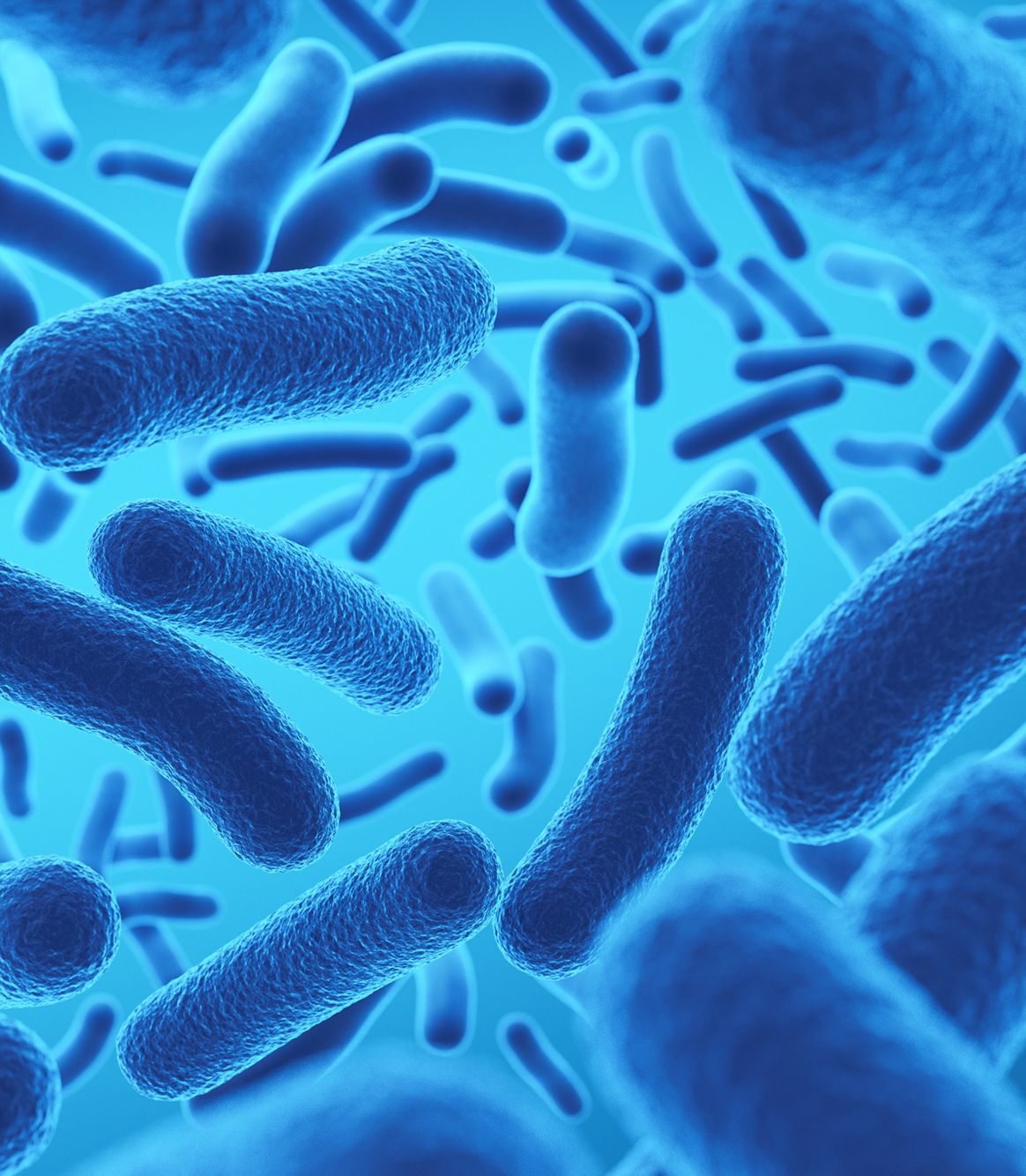
Your gut is home to trillions of microorganisms that live together as part of a complex ecosystem. While gut bacteria are often divided into simple categories like "good" and "bad," the reality is much more nuanced. Many of the microorganisms that naturally live in the digestive tract are known as commensal bacteria, which have adapted to life in the human gut and contribute to the environment around them. Understanding these members of the microbiome can change the way we think about both gut health and overall wellness, especially when considering a probiotic supplement for gut health support.
What Are Commensal Bacteria?
The term commensal describes microorganisms that live alongside a host, benefiting from the relationship without negatively affecting it. In the gut, many of these bacteria go a step further and benefit the host: rather than simply coexisting, they actively support the health of their environment. Commensal bacteria are part of the resident microbial community that develops and changes throughout our lives. Many of these bacteria help break down components of food that the human body cannot fully digest, produce compounds such as short-chain fatty acids (SCFAs) that other microbes can use, and contribute to a healthy intestinal environment.
The gut microbiome is influenced by many factors, including diet, medications, ongoing stress, physical activity, sleep, age, and environment. Each of these has a unique effect, and supporting a healthy microbiome involves more than simply adding in bacteria. It also involves creating an environment where the microorganisms already living there can thrive.
For this reason, many people look for a daily probiotic supplement as part of a broader wellness routine, often choosing a gut health probiotic supplement to help support microbial balance.*
What Makes a Bacterium "Keystone"?
Not every member of an ecosystem has the same role. In ecology, a keystone species is an organism whose impact on its environment is disproportionately large relative to its abundance. The term “keystone” comes from architecture, where the wedge-shaped stone at the top of an arch locks the structure in place and allows it to remain stable. In the gut microbiome, the same concept applies. Certain keystone commensal bacteria help stabilize the microbial community and maintain the conditions that allow other microbes to thrive. Because of this, their absence can shift the gut environment far more dramatically than their abundance alone would suggest.
These keystone commensals help shape the gut ecosystem through the compounds they produce, such as short-chain fatty acids like butyrate, the nutrients they make available to other microbes, including simple sugars and amino acid derivatives, and their interactions with the intestinal lining. They also play a role in microbiome resilience to various factors like lifestyle habits, dietary changes, or antibiotic use.*
Gut Bacteria Work Together Through Cross-Feeding
The gut microbiome is not a collection of independent microorganisms, and many gut bacteria rely on one another to function properly. This process is called cross-feeding, where one microorganism produces a compound that another microorganism can use as fuel.
Some bacteria, for example, break down dietary fibers and complex carbohydrates into smaller compounds such as acetate. Other bacteria can then use these compounds to produce short-chain fatty acids such as butyrate, creating a chain of interactions that connects different members of the microbial community.
Five Commensal Bacteria to Know
While there are many different commensal bacteria, five appear to be especially relevant for their roles within the gut microbiome. These include: Akkermansia muciniphila, Bifidobacterium longum, Bifidobacterium adolescentis, Faecalibacterium prausnitzii, and Roseburia intestinalis. Each has its own functions, but they can also contribute to the interconnected processes that allow different members of the microbiome to work together.*
- Faecalibacterium prausnitzii is an important butyrate-producing bacterium found in the human gut. Butyrate serves as an energy source for cells lining the digestive tract, and helps support a healthy intestinal environment and normal gut barrier function.*
- Roseburia intestinalis isone of the gut's most important butyrate producers, making the compound that fuels the cells lining the colon and helps support a healthy gut barrier.*It also has tail-like flagella that let it move through the mucus layer and interact directly with the gut lining.*
- Akkermansia muciniphilalives within the mucus layer of the digestive tract, where it uses the protein mucin as a source of fuel. Its activity supports the normal renewal of the mucus layer and contributes to healthy gut barrier function.* Additionally, Akkermansia muciniphila is also known for its role in supporting metabolic health and normal glucose metabolism.*
- Bifidobacterium longum is a well-studied member of the human gut microbiome that can break down certain dietary carbohydrates and fibers. As it ferments these compounds, it produces metabolites such as acetate that other bacteria can use, making it an important participant in the gut's cross-feeding network.*
- Bifidobacterium adolescentis can also ferment certain complex carbohydrates and dietary fibers, producing metabolites that other members of the microbiome can use. Its ability to participate in these interactions helps support a diverse gut microbiome.*
These bacteria show that the gut works more like an ecosystem than individual strains. Some work to break down nutrients, others feed on what’s left behind, and others help shape the gut's overall environment.* What is most important may be how they work together, rather than just how many strains are present.
Rethinking Probiotics
When choosing a probiotic supplement, it can be tempting to focus on the number of strains or the number of microorganisms per serving. While these details can be useful, they should not be the main focus. Different bacteria perform different functions, and a higher number of strains does not necessarily mean that a formula provides better support for the gut microbiome.*
A more thoughtful approach is to consider which bacteria are included and what roles they play within the microbial community. This is where commensal and keystone bacteria become particularly interesting. Rather than simply adding a large number of microorganisms, a commensal probiotic contains specific bacteria that may occur naturally in a healthy gut ecosystem and can contribute to its overall function and stability.* The goal is not necessarily to add more bacteria, but to provide specific microorganisms that can support the functions of a healthy gut ecosystem, in combination with a healthy diet and lifestyle.*
Supporting a Healthy Gut Microbiome*
The gut microbiome is constantly responding to what we eat, how we live, and the environment around us. A diet rich in diverse plant foods, adequate fiber, regular physical activity, quality sleep, and other healthy lifestyle habits can help support a balanced gut environment. For those looking for additional microbiome support, a probiotic designed with the gut microbiome ecosystem in mind may complement these habits by providing specific commensal bacteria with well-studied benefits.*
Rather than replacing a healthy diet and lifestyle, probiotics can be one part of a broader approach to supporting gut health.* A comprehensive probiotic formula may help support multiple aspects of microbial balance when used consistently and guided by a qualified health-care provider.*
Key Takeaways
- Commensal bacteria are microorganisms that reside in a healthy gut microbial community and contribute to a healthy intestinal environment.*
- Keystone commensals are bacteria whose influence on the gut ecosystem is disproportionately large, helping support microbiome resilience to a variety of dietary, lifestyle, and environmental factors.*
- Gut bacteria work together through cross-feeding, where compounds produced by one microorganism can become fuel for another.
- Faecalibacterium prausnitzii,Roseburia intestinalis, Akkermansia muciniphila, Bifidobacterium longum, and Bifidobacterium adolescentis each contribute different functions to the gut microbiome.*
- Supporting gut health is about more than adding more bacteria; the functions and interactions of those bacteria are equally as important.
- A commensal probiotic can provide additional support for a diverse and balanced gut microbiome by providing specific microorganisms with complementary functions.*
*These statements have not been evaluated by the Food and Drug Administration. This product is not intended to diagnose, treat, cure, or prevent any disease.
A commensal probiotic supplement contains microorganisms that naturally belong in a healthy human gut microbiome and may help support microbial balance and overall gut health.*
A keystone commensal is a gut microorganism that plays a disproportionately important role in maintaining microbial stability and ecosystem structure, helping support resilience.*
Cross-feeding is a process in which one type of gut bacteria produces compounds that another type of bacteria can use as fuel. Cross-feeding creates interconnected relationships that allow different members of the microbiome to work together.*
The number of strains is only one consideration when choosing a probiotic. Different bacteria perform different functions, so the specific strains included and the roles they play within the gut microbiome are also important.*
Yes. A diverse, fiber-rich diet provides carbohydrates that many gut bacteria can use as fuel. Vegetables, fruits, legumes, whole grains, nuts, and seeds are all good sources of dietary fiber that can support a healthy gut environment.*
The specific strains and their functions are important considerations when choosing a probiotic. A formula containing carefully selected commensal bacteria may provide targeted support for microbiome balance and overall gut health.*
Yes. A qualified health-care practitioner can help you decide whether a probiotic supplement is right for you and which type and amount best fit your needs and goals.